Japanese, Chinese,
Korean.
for European markets.
Japanese, Chinese and Korean translation for German and European businesses. Technically exact. Culturally considered. Based near Karlsruhe since 2017.

Languages we work with.
Japanese Translation
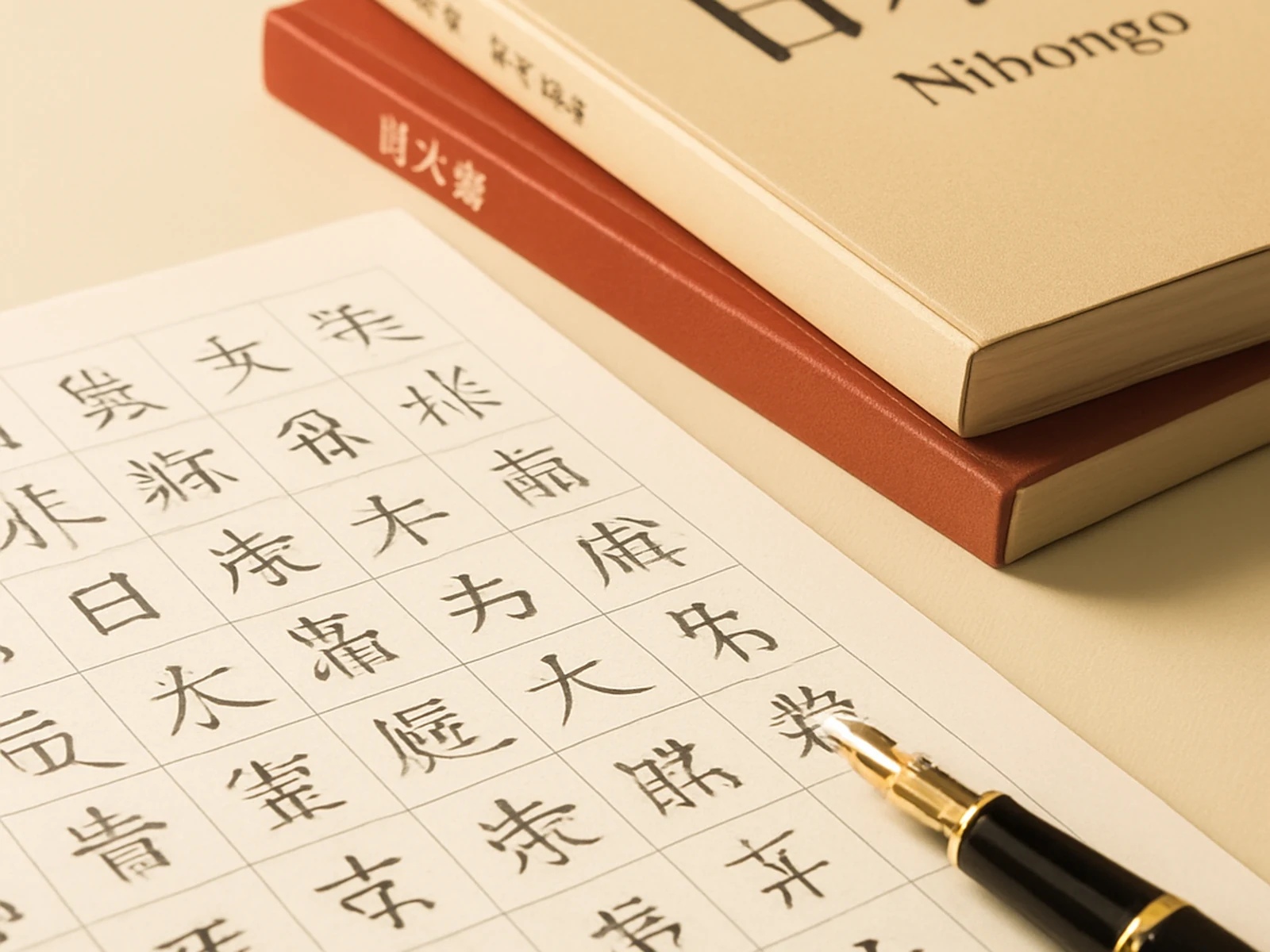
Japanese is structured in ways that do not map cleanly onto German or English. The sentence ends with the verb. Context determines what is formally stated and what is left implied. The honorific register shapes tone in ways that go far beyond polite versus casual. A translation that does not account for all of this produces output that is technically accurate and culturally wrong.
Chinese Translation
Chinese presents its own translation challenges that are separate from the structural differences most people think about. Simplified Mandarin for the mainland market and Traditional Chinese for Taiwan and Hong Kong are not interchangeable. Neither are the business conventions, legal frameworks or communication norms across those contexts.
Korean Translation
Korean is the language of one of the most export-driven economies in the world. German businesses working with Korean electronics manufacturers, automotive suppliers or entertainment companies encounter Korean text in product manuals, contracts, technical specifications and correspondence. We translate in both directions with translators who understand the commercial context, not just the vocabulary.
Asian Market Localisation
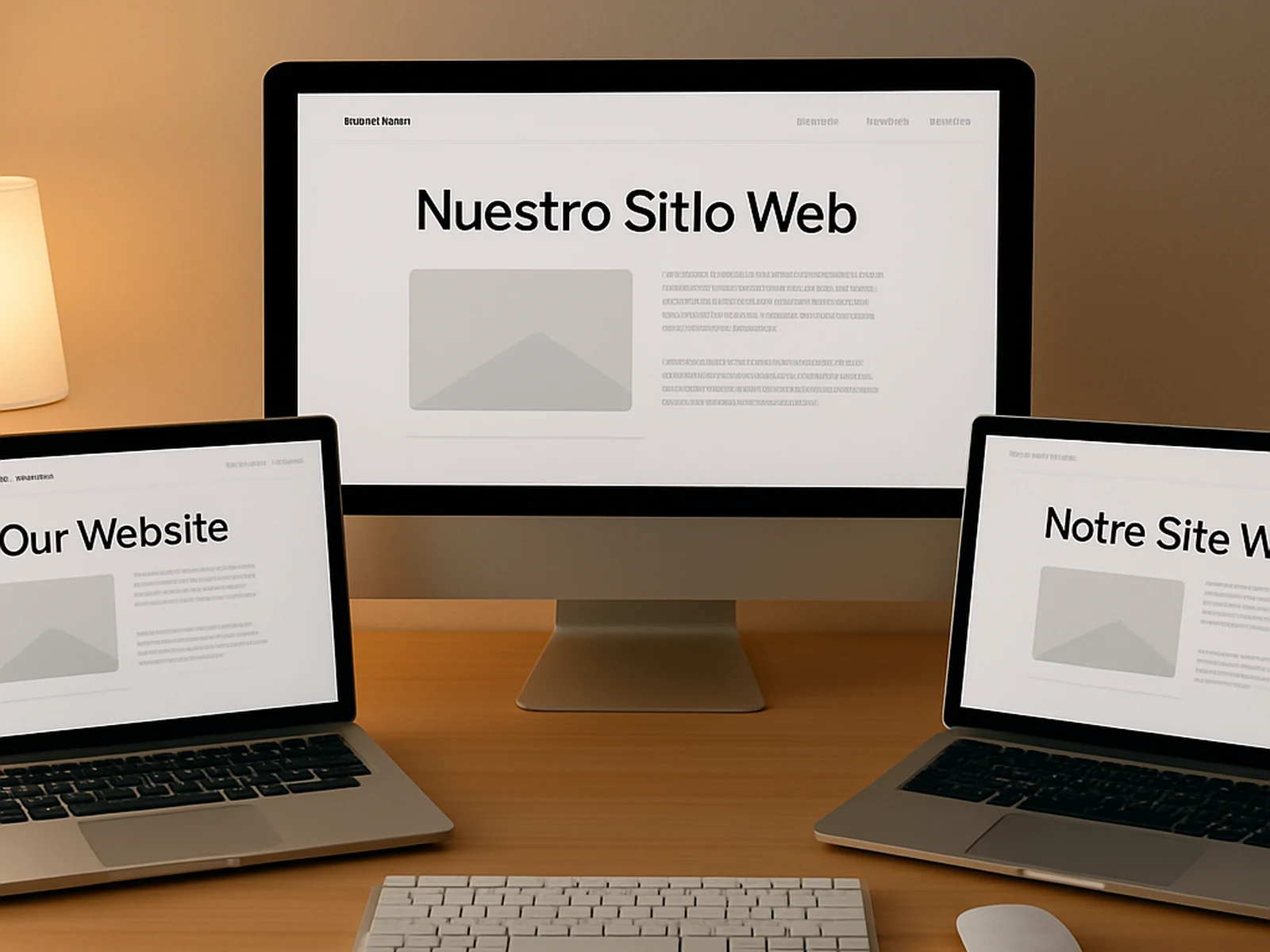
Translation and localisation are not the same thing. Translation renders words from one language into another. Localisation adapts an entire experience -- website, interface, product, communication -- so that it functions naturally in a new cultural context. For businesses entering Japanese, Chinese or Korean markets (or the reverse, Asian businesses entering European markets), localisation is where the real work is.
Business Interpretation
Some of the most consequential conversations between Asian and European business partners happen through an interpreter. The quality of that interpretation -- not just the language accuracy, but the register, the pacing, the cultural mediation -- determines whether a meeting moves forward or falls apart. This is a different skill from written translation, and we treat it as such.

Creative & Media Translation
Creative translation is where the technical demands of language work meet something that cannot be systematised: the ability to make a piece of writing work in a new language on its own terms. A manga localisation that reads awkwardly in German has failed, regardless of whether the individual words are accurate. The same is true for film subtitles, literary fiction and marketing copy.
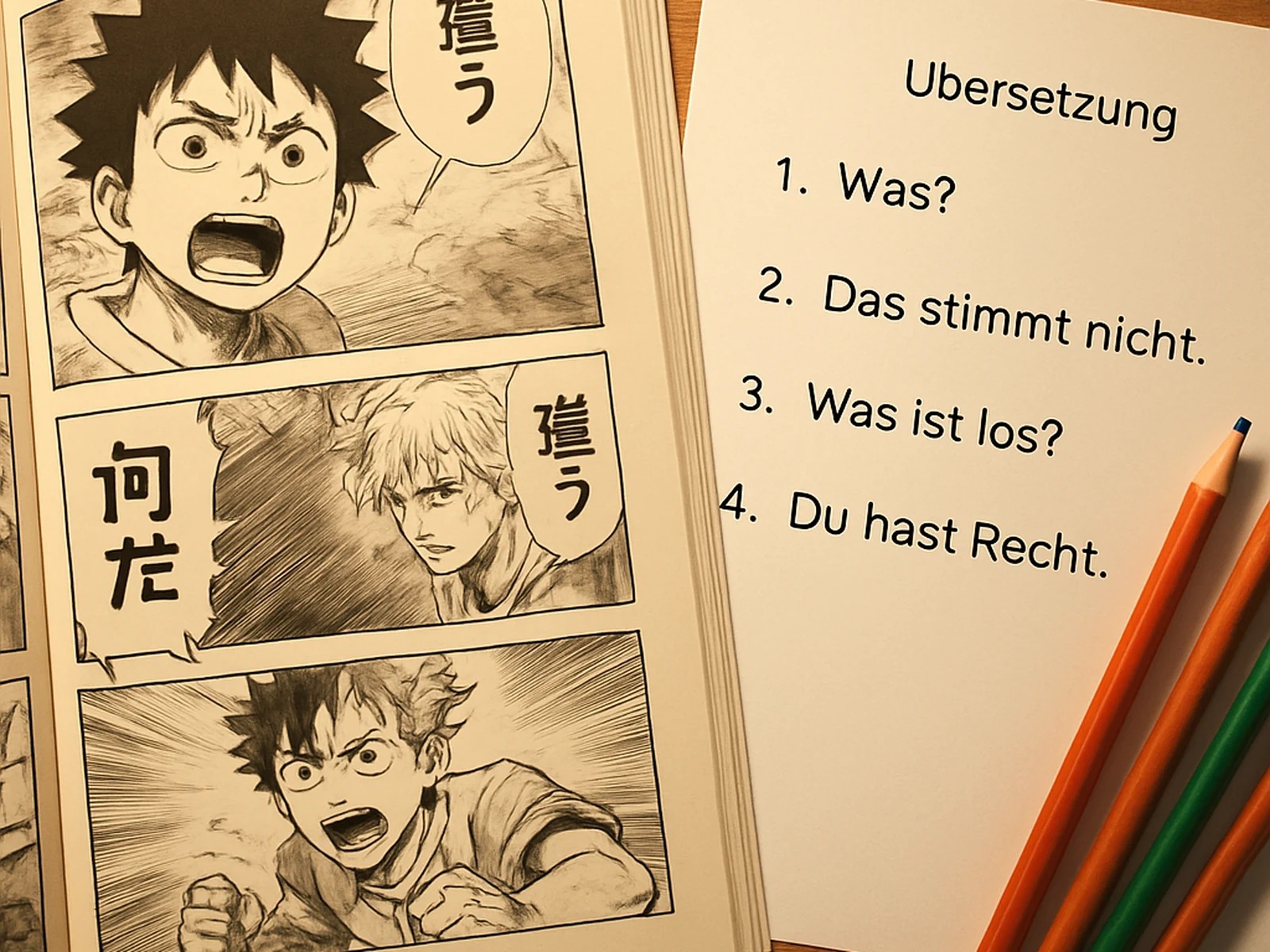
Language pairs we cover.
We offer translation between Asian and European languages. Every language pair is handled by a translator with native-level proficiency in the target language.
How a project works.
Five steps. One fixed price. Terminology that carries forward into every subsequent project.
Inquiry
Send your document and outline what you need: target language, intended audience, any terminology notes, delivery date. We respond with a detailed scope within 4 hours.
Scoping
We assess content complexity, domain requirements, cultural considerations and format constraints. A fixed price and timeline are confirmed before any work begins.
Translation
A translator with native proficiency in the target language and relevant domain expertise handles the work. For technical content, this means someone who understands the subject, not just the words.
Cultural Review
A second linguist reviews the translation not just for accuracy but for cultural appropriateness. This step is what separates functional translation from translation that actually works for its audience.

Delivery
Files in your agreed format, plus a project-specific terminology glossary that carries forward into every future engagement with us. We keep a record of your terminology so consistency is guaranteed.
Client references.
Three projects from the Karlsruhe region. Different industries. The same standard of precision.
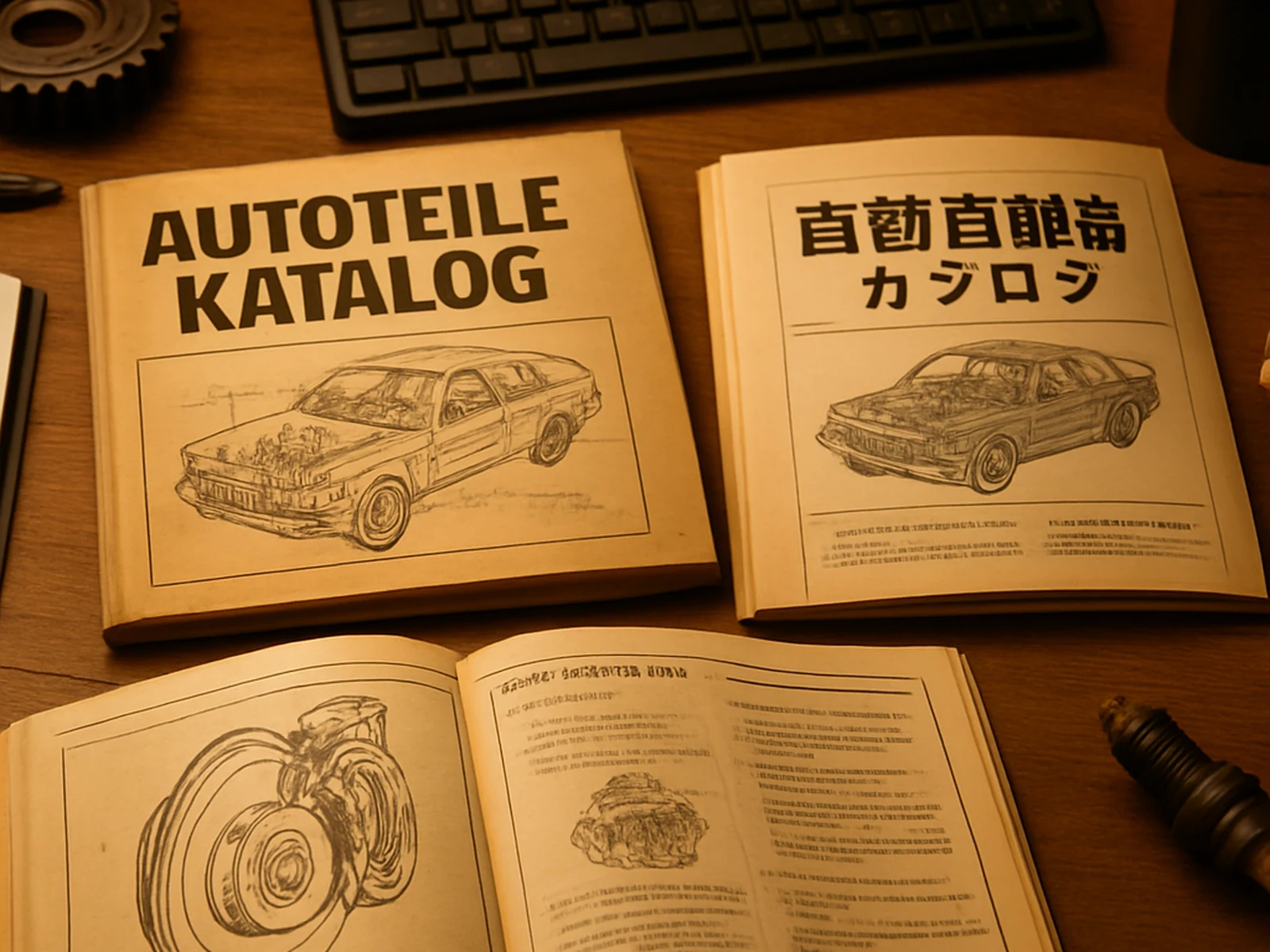
Moto-Parts Japan imports and distributes specialist motorcycle components across Germany. Every technical manual, parts catalog and regulatory document required precise Japanese-to-German translation, and the consistency across three years of projects meant our terminology glossary could grow alongside their product range.
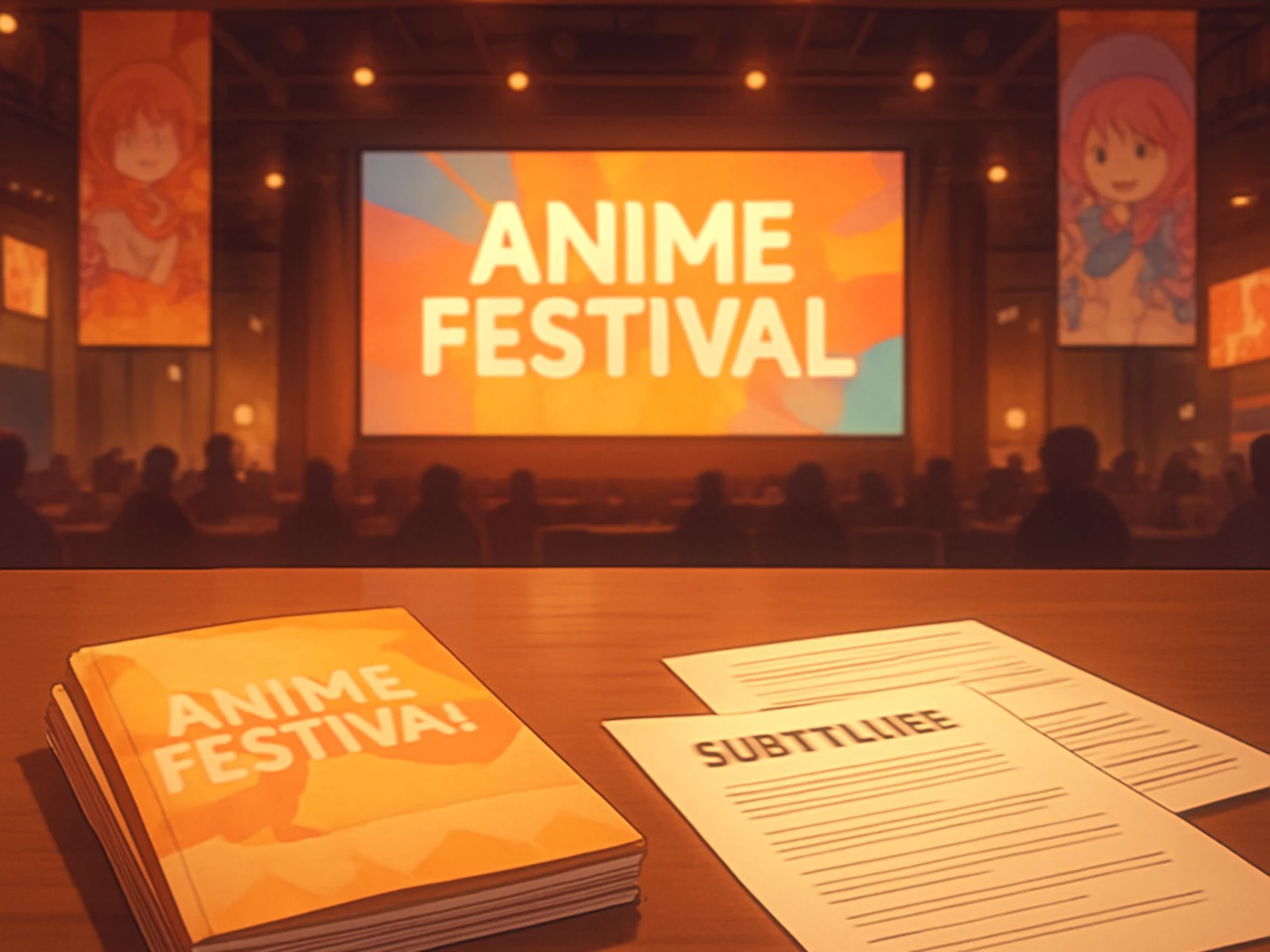
Baden Anime Festival runs across a full weekend each autumn. Subtitles, panel descriptions, guest bios and all printed programme materials required Japanese-German translation with a tone that matched the fan community. The cultural layer of this work goes well beyond literal text conversion.
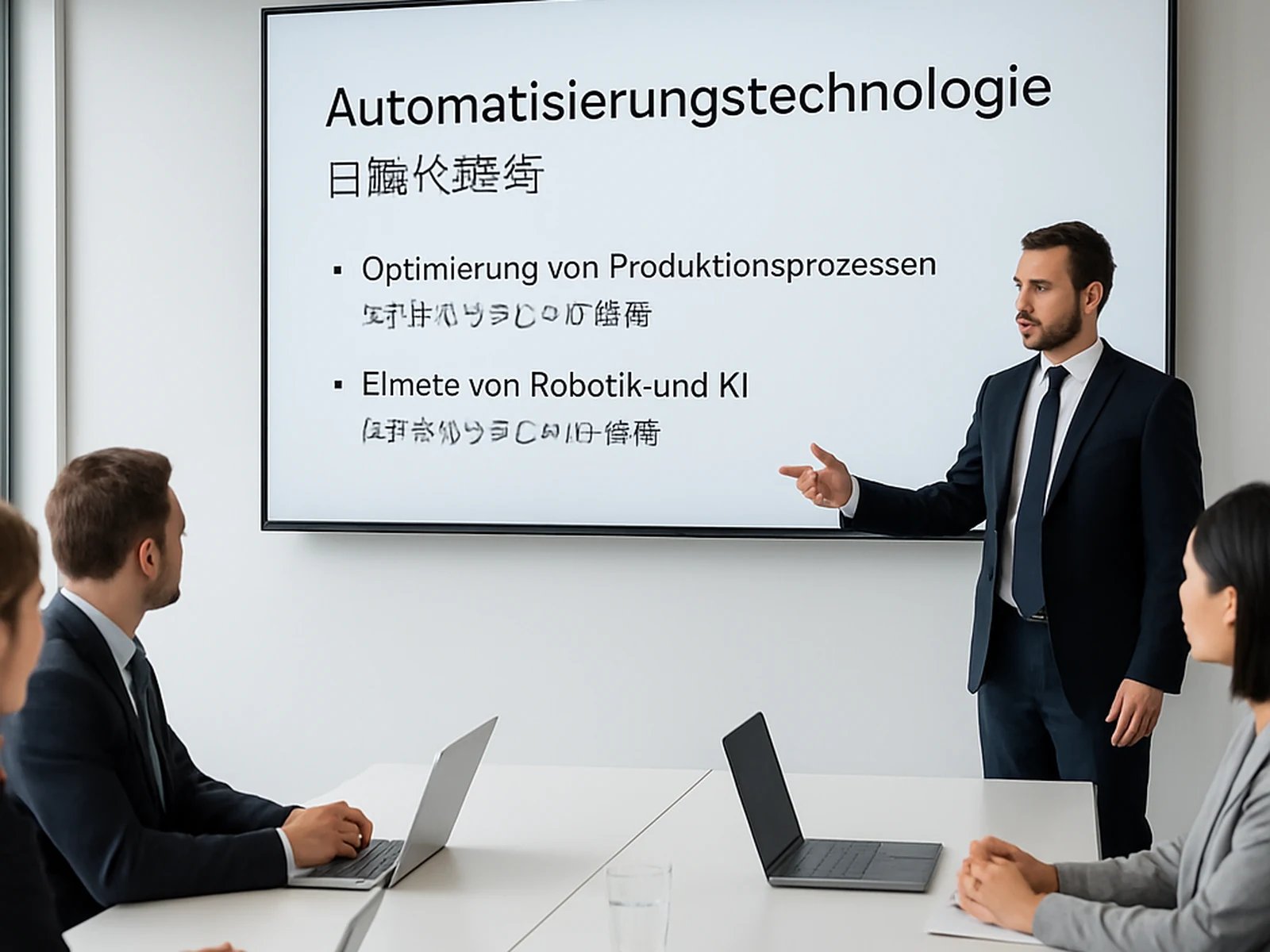
STARKtech wanted to enter the Japanese electronics distribution market. That meant a complete German-to-Japanese website localisation, three patent application translations formatted for JPO requirements, and ongoing communication support for their initial business development in Tokyo.
Over three years, every single manual came back technically precise. Not just correct Japanese -- precise. That distinction matters in our industry.
The subtitles sounded like they were written for our audience, not just translated for them. That is a rare thing to find. The attendees noticed.
Three patent filings, a website, ongoing support. They handled all of it with a degree of professionalism that made the Japan expansion feel less daunting than we expected.
Project pricing.
Three packages. All include native translation and a project terminology glossary.
For focused projects up to 2,500 source words in a single language pair.
Priority 48-hour projects up to 2,500 words with cultural accuracy review.
White-glove service for complex projects of any scope with a dedicated project manager.
Common questions.
What clients most often ask before sending their first project.
Click a question on the left to see the answer here.
Ready to start?
Send us your document and we will quote within 4 hours.